





Health & Education
We all want the best care possible for our horses. The Heath & Education section covers both Learning Institutions, Organizations as well as many sources for equine assistance including Veterinarians and Farriers.
For those who want a to formally study horses, the Education section includes College Riding, Equine Studies, and Veterinary Schools. Learn about the wide variety of horses in the Horse Breeds section. Supplements and Treatments Therapy are also included in the section.
Everyone can learn from Fine Art and there are some specialty Museums that might surprise you.
Horses as a therapy partner enrich the lives of the disabled. These facilities are listed in our Therapeutic Riding section. To help children and young adults build confidence and grow emotionally, please see the resources available on the Youth Outreach page.
Looking for a place to keep your horse? You can find it in the Horse Boarding section. Traveling? Find a Shipping company or Horse Sitting service if your horse is staying home!
Want to stay up to date with the latest training clinics or professional conferences? Take a look at our Calendar of Events for Health & Education for the dates and locations of upcoming events.
Do we need to add more? Please use the useful feedback link and let us know!
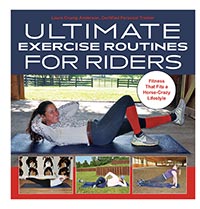
by Laura Crump Anderson
Pregnancy is such an exciting and nerve-racking part of a woman’s life. There is no denying that it will impact your riding as your body adapts and changes to the challenges of becoming a mother. While most doctors and literature on the subject will tell you not to ride while you are pregnant, if you are healthy and your pregnancy is progressing normally, you can certainly continue to exercise. You may need to make some modifications for your changing body, and that’s what a pregnancy-specific routine is designed to help you do.
There are some exercises that are very safe to do while you’re pregnant; there are also some things you should avoid doing, such as deep twists, exercises on your stomach, and after your fourth month, exercises that have you on your back for extended periods of time. Be aware that expectant mothers often tire sooner, so don’t push yourself too hard as exhaustion leads to an increased risk of injury. The last thing you want from your exercise program is an injury that would make life even harder while you’re pregnant, so make sure you listen to your body and back off when it tells you to.
I developed a special strength-building routine after working with riding clients who wanted to stay active during their pregnancies. Pregnant women are some of my favorite to work with because it is such an exciting period in their lives. They know that they need to work hard and take care of their bodies. Some days are harder than others, but they always show up and give it everything they have. As a personal trainer, I could not ask for more.
Read more: Fitness for the Pregnant Rider - an excerpt from "Ultimate Exercise Routines for Riders"
by ECIR Group Inc.
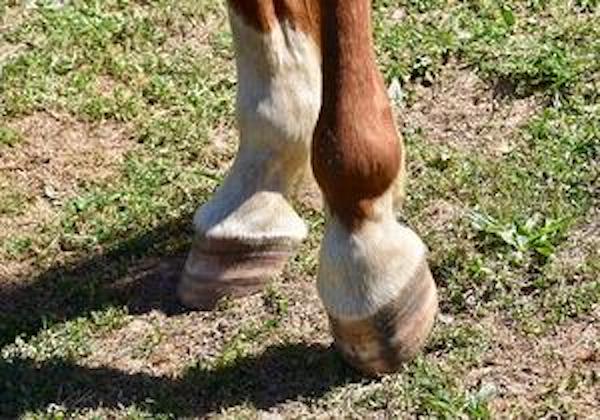
Hyperinsulinemia associated with pituitary pars intermedia dysfunction (PPID) and/or equine metabolic syndrome (EMS) is well documented to put horses at high risk of laminitis. While dietary control of simple sugars and starch is the most effective therapy to control hyperinsulinemia, some horses fail to respond.
Since the publication of articles in 2018 and 2019 describing the effects of the SGLT2 (sodium glucose cotransporter 2) inhibitor velagliflozin in controlling insulin levels in horses with hyperinsulinemia, the Equine Cushing’s and Insulin Resistance Group (ECIR Group) has been interested in exploring this family of drugs in horses that do not respond to the usual measures of diet/carbohydrate control, pergolide if the horse has PPID/Cushing’s, and metformin.
ECIR Group members with horses that had unresponsive high insulin levels and laminitis, in conjunction with their treating veterinarians, trialed them on canagliflozin. Because velagliflozin is not commercially available, members used the flagship SGLT2 inhibitor, canagliflozin, with estimated appropriate dosages based on published information.
Read more: Published: Canagliflozin for Control of Refractory Equine Hyperinsulinemia and Laminitis
- Building Your Horse’s Confidence
- Help Nix the Culex Mosquito that Transmits 3 of 5 Core Equine Diseases
- Communication Between Human and Horse
- Research into Development of the Foal’s Gut Could Advance Treatment of Critical Cases of Diarrhea
- Mosquitoes Undeterred by Drought – 4 Tips to Protect Your Horse
- An Equine Methionine Crisis is Brewing
- Beware Supplemental Iron
- Sugar Does Not Cause Equine Metabolic Syndrome
- Welcome to London College of Animal Osteopathy (LCAO) (2:17)
- Katie Navarra Coaching - Reset: Reconnect: Reframe
- The New Foal Exam with Dr Laurie Metcalfe - Rood & Riddle Stallside Podcast
- Solving a Mare’s ‘Behavioral’ Problems
- Wintertime Equine Nutrition: 3 Facts
- The Heart of Laminitis Care
- Our First Year with Dr Peter Morresey and Dr Bart Barber
- What’s New in Equine Healthcare with Dr Peter Morresey and Dr Bart Barber
- EHV-1 Research Study and Infection Control Tips
- Hoof Care in Winter
- Caring for Barn Cats?
- Pilates for Horses—It’s a Thing