




Health & Education
We all want the best care possible for our horses. The Heath & Education section covers both Learning Institutions, Organizations as well as many sources for equine assistance including Veterinarians and Farriers.
For those who want a to formally study horses, the Education section includes College Riding, Equine Studies, and Veterinary Schools. Learn about the wide variety of horses in the Horse Breeds section. Supplements and Treatments Therapy are also included in the section.
Everyone can learn from Fine Art and there are some specialty Museums that might surprise you.
Horses as a therapy partner enrich the lives of the disabled. These facilities are listed in our Therapeutic Riding section. To help children and young adults build confidence and grow emotionally, please see the resources available on the Youth Outreach page.
Looking for a place to keep your horse? You can find it in the Horse Boarding section. Traveling? Find a Shipping company or Horse Sitting service if your horse is staying home!
Want to stay up to date with the latest training clinics or professional conferences? Take a look at our Calendar of Events for Health & Education for the dates and locations of upcoming events.
Do we need to add more? Please use the useful feedback link and let us know!
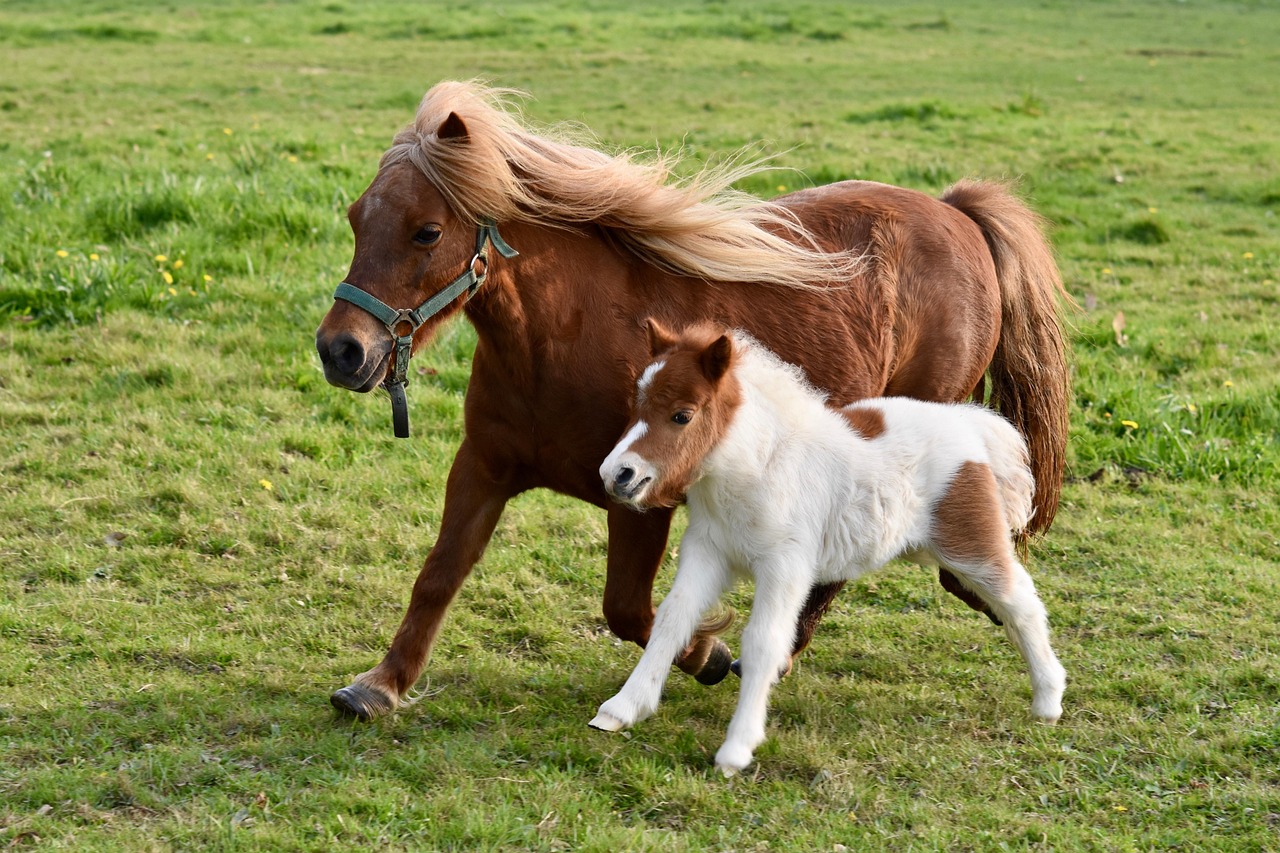
The horse life expectancy for domesticated horses is between 25 and 30 years, though many live into their 30s or 40s with proper care, veterinary attention, and nutrition. While ponies often live longer, larger breeds like draft horses may have shorter lifespans. The oldest recorded horse lived to 62.
Key Factors Influencing Lifespan
- Horse Care and Diet: Proper nutrition, regular dental care, farrier and veterinary check-ups significantly extend a horse's life.
- Horse Breed and Size: Ponies frequently live longer than larger draft horses.
- Usage: Working or racing horses may have shorter lifespans compared to recreational horses.
- Environment: Domesticated horses live longer (25–30+ years) than wild horses (15–20 years).
Life Stages
- Mature: Most horses reach maturity around 4 or 5 years old.
- Senior: Horses are generally considered seniors between 15 and 18 years old.
While the oldest horse ever recorded, Old Billy (a Shire/Cob), lived to 62, Arabian horses and certain pony breeds (like Shetlands) are often cited for having the longest average lifespans, frequently reaching their 30s and sometimes 40s due to their hardy nature, though individual lifespans vary greatly with care, with breeds like the Icelandic horse also known for longevity.
Breeds known for longevity
Today, there are over 400 recognized horse breeds in the world. Each breed has its own unique characteristics and abilities. This diversity of breeds allows people to choose the perfect horse for their individual needs and interests.
- Arabian: Famous for endurance, often living into their 30s and beyond, with some reaching 40s.
- Shetland Pony: Hardy ponies that can live into their 40s.
- Shire: A large draft horse, but surprisingly, some sources list them as having long lives (35-45 years).
- Icelandic Horse: A very old breed known for strength, docility, and long life, used since Viking times, according to Oldest.org.
- Quarter Horse/Morgan: Also known for relatively long lives (25-35+ years).
Key Factors in Longevity
- Genetics: Some breeds are naturally hardier and live longer.
- Care: Excellent nutrition, exercise, and veterinary care significantly extend a horse's life.
- Size: Smaller ponies often outlive larger breeds.
Oldest Horse on Record
Old Billy: A Shire/Cob horse that lived to be 62 years old in the 19th century, setting the world record.
We had a polo horse live until she was 29 years old!
You can find more informative articles in our section on Health & Education. Take a look at our Curated Amazon Store for our selections in a wide variety of categories!
Are you interested in promoting your business or sharing content on EIE? Contact us at info@equineinfoexchange.com
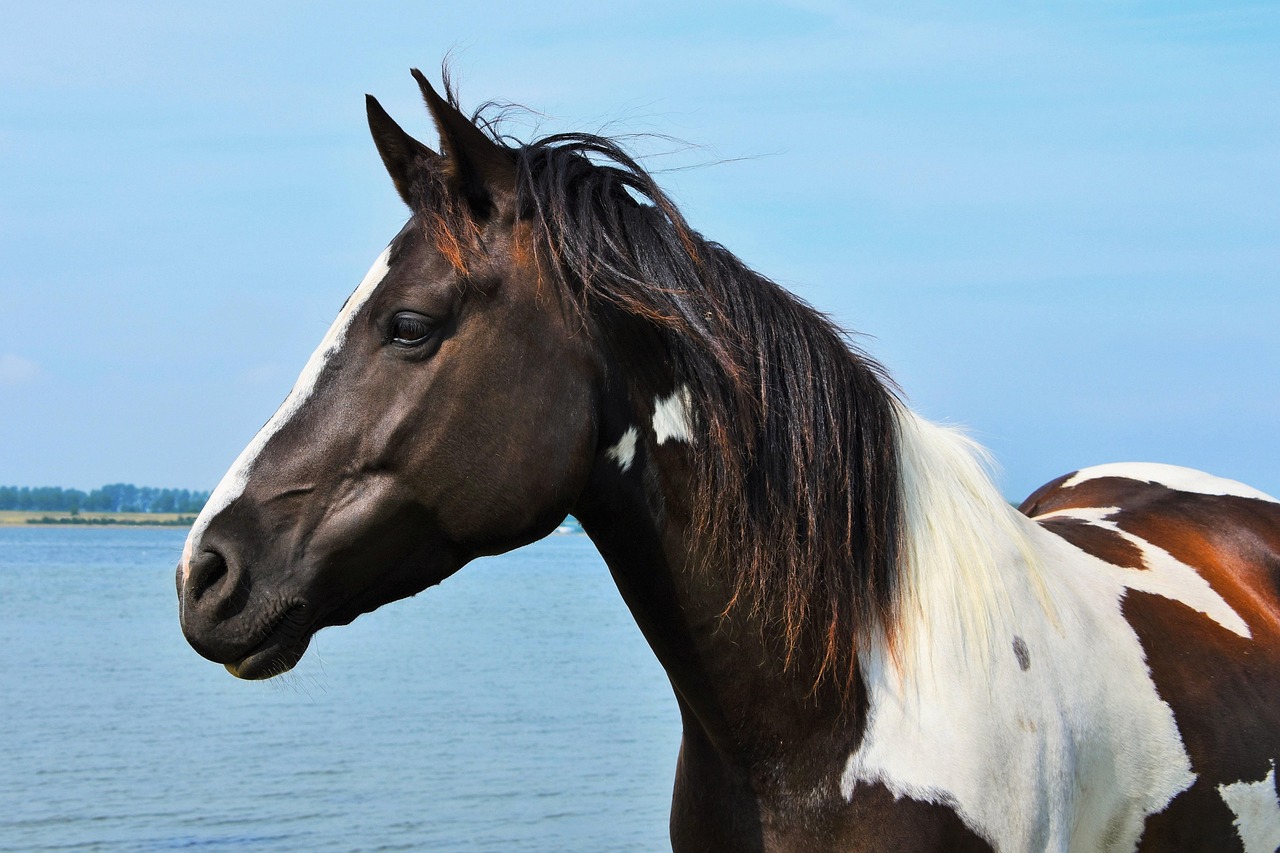
While there is no single universally agreed-upon number, experts generally recognize between 300 and 600 distinct horse breeds worldwide. Are you curious how to identify horse breeds? Identifying a horse breed involves analyzing physical characteristics to determine the horse breed name, checking for artificial markings, and verifying official documentation.
Our section on horse breeds lists 84 different horse breeds from Akahl-teke to the Walking Horse with links to their associations for more information.
1. Physical Characteristics (Conformation)
- Body Type: Horses are generally grouped into "hot bloods" (lean and fast like Thoroughbreds), "cold bloods" (large and powerful like Clydesdales), and "warmbloods" (athletic crosses often used for sport).
- Head Shape: Certain breeds have distinct profiles. For example, Arabians are famous for their "dished" (concave) face and large nostrils.
- Size: Height is measured in "hands" (4 inches). Ponies are typically under 14.2 hands, while draft horses can exceed 17 hands.
- Color Patterns: Some breeds are defined by their coat. Appaloosas feature leopard-like spots, while American Paint Horses have large patches of white and color.
2. Artificial Markings & Identification
- Brands: Look for symbols on the hip or neck. For instance, the Bureau of Land Management (BLM) uses a specific angle-numeric system on the left side of the neck for wild Mustangs.
- Lip Tattoos: Racing breeds like Thoroughbreds often have a letter and number tattoo on the inside of their upper lip for track identification.
- Microchips: Many modern horses have an RFID chip implanted in the nuchal ligament (upper neck), which can be read with a standard scanner to reveal registry data.
3. Official Records & Technology
- Registration Papers: Official documents from registries like the American Quarter Horse Association (AQHA) or The Jockey Club provide the most reliable pedigree information.
- Mobile Apps: Horse breed identification tests and tools like the Horse Scanner App use AI to analyze photos and suggest potential breed matches.
- DNA Testing: While DNA can confirm a horse's parentage, it is primarily used to verify if a horse matches a previously recorded profile in a registry's database rather than discovering a completely unknown breed from scratch.
To identify all horse breeds, consider these guides on analyzing physical attributes, understanding markings, and verifying official records with breed organizations.
You can find more informative articles in our section on Health & Education. Take a look at our Curated Amazon Store for our selections in a wide variety of categories!
Are you interested in promoting your business or sharing content on EIE? Contact us at info@equineinfoexchange.com
- Are Donkeys Good Horse Companions? Learn More!
- The Essential Horse Care Tips
- Tips to Keep Horses Safe in Ice and Snow
- Adjusting Horse Diets in Winter: Is It Necessary?
- The Impact of Light on Horse Reproduction With Dr. Barbara Murphy
- The Overweight Horse – A New Year’s Resolution
- Survey Reveals Emotional and Practical Challenges in Managing Horse Weight
- Why Did My Horse Just Do That?
- Staying Warm This Winter - WSI Sportswear at Equine Affaire 2025
- A Guide for Livestock and Equine Grooming
- How Feeding Routine, Age and Workload Affect Joint Supplement Needs
- Vitamin E Requirements and Testing Recommendations in Horses
- Semican Horse Feed at Equine Affaire 2025
- CBD and other Cannabinoids – How they can benefit you, your horses, and your pets
- Causes of Death in Retirement Facilities for Horses
- "Purina" at Equine Affaire 2025
- "Equi-Analytical" at Equine Affaire 2025
- "Smart Equine" at Equine Affaire 2025
- "Chewy" at Equine Affaire 2025
- "Dimples Horse Treats" at Equine Affaire 2025