




Recreation & Lifestyle
Welcome to Recreation & Lifestyle, which includes leisure riding and other aspects of the equestrian lifestyle for you and your horse loving friends and family.
Looking for the perfect present? See the Gifts & Jewelry section. Redecorating? Find a Painting, Photograph or Sculpture in the Artwork section. Need to check out a movie or crawl up with a good book or magazine? See our Entertainment section where you will find and Books, Movies, Games, and Magazines. And don't forget about Fine Art in some specialty Museums that might surprise you.
Looking for love or a trail buddy? Riding Partners is the spot to seek other riders who share your passion. Find a place to ride with that special person in our Trail Riding section and if you need more time away, take a look at Vacations. Want to know about the next horse show or special event? Don’t miss it! Dates and locations are included in the Calendar of Events for Recreation & Lifestyle.
Do we need to add more? Please use the useful feedback link and let us know!
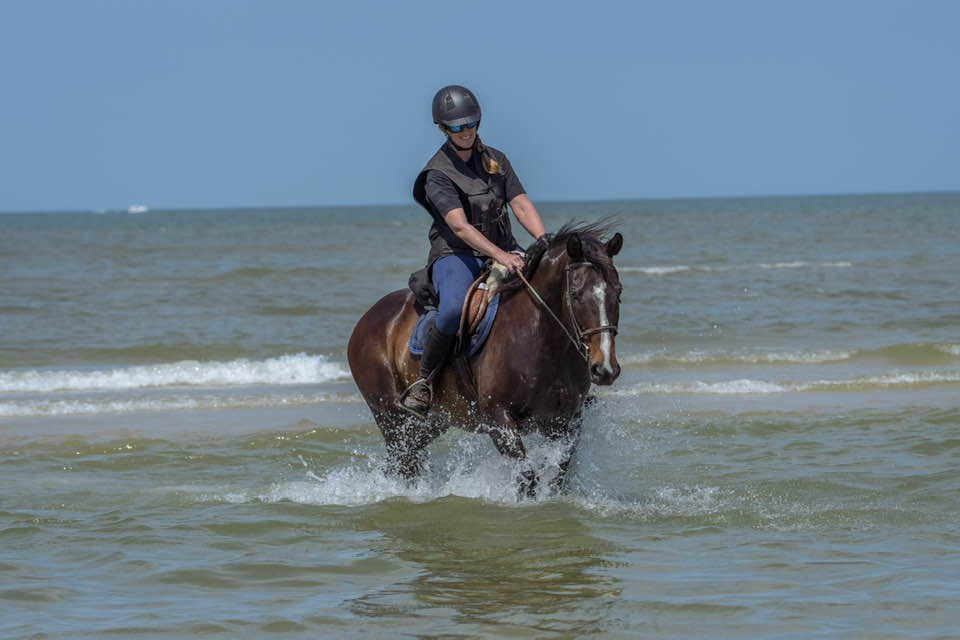
Happy New Year! Do you make resolutions or have goals for 2026? If so, horse owners can focus on resolutions that balance practical care, personal growth, and deeper connections with their equine partners. Here are some suggestions.
1. Prioritize "No-Agenda" Quality Time
- Spend extra time "just because": Commit to spending 10 extra minutes before or after a ride just grooming, hand-grazing, or being present without a specific training goal.
- Bond outside the saddle: Visit on non-riding days to offer grooming, treats, or simple companionship to strengthen your mutual trust. Many owners bring their dogs too!
2. Optimize Health & Routine Care
- Refresh the health plan: Use early 2026 to schedule your horse’s annual vaccinations with your veterinarian, dental checks, and farrier visits on a centralized care calendar.
- Evaluate nutrition: Review starch and sugar levels in your horse's feed and ensure they have access to adequate forage and salt. Is your horse too heavy or lean? Research new feeding programs.
- Perform regular safety checks: Commit to inspecting fencing, gates, and stable equipment monthly to catch hazards like loose nails or rotting posts before they cause injury.
- Prepare for emergencies: Are you in an area with floods, hurricanes, wildfires or other weather related storms? It is extremely helpful to prepare for disasters for both you and your horse.
3. Master Specific Riding & Training Skills
- Fix one bad habit: Instead of "becoming a better rider," focus on correcting one persistent flaw, such as leaning to one side or improper hand positioning. You can try on your own, with a trainer or at a clinic.
- Incorporate "No-Stirrup" work: Don't wait for November. Add five minutes of no-stirrup work to every ride to improve your balance and seat.
- Try a new discipline: Step out of your comfort zone by trying a different riding discipline, like working equitation, trail obstacles, or groundwork exercises.
4. Organize Your Equestrian Life
- Clean tack after every ride: Make it a habit to wipe down bits and leather immediately to extend the life of your equipment.
- Declutter the tack room and trailer: Sort through gear and donate unused blankets or halters to local horse rescues or riding schools.
- Keep a riding journal. Record your sessions, noting successes and areas for improvement to track progress more effectively over the year.
5. Focus on Personal Fitness
- Build rider strength: Enhance your communication in the saddle by improving your own core stability and cardiovascular endurance through exercises like Pilates or yoga.
- Examine your diet: Save (most) sugar treats for your horses. Of course, you can always share apples or carrots with your equine friend!
6. Hit the road
- Explore new trails: There are many great places to explore from the back of a horse. It is stimulating for both you and your equine partner. Make a plan with friends and go on a trail ride!
- Plan a horse holiday: Have you ever dreamed of seeing national parks or riding in another country, enjoying the beaches or the local culture? It’s time to plan for your next vacation!
- Attend a horse show or event: There are an incredible variety of events including dressage, jumping, polo, rodeo and many more! If you don’t have a rig and want to bring your horse, there are many great shippers available and horse motels if you need to spend the night.
7. Donate your time
- Help a horse rescue: Many horses need homes and pitching in at a local rescue or retirement farm is a great way to help.
- Volunteer at a therapeutic riding center: There are wonderful organizations which help disabled people and providing assistance while sharing your love of horses is a fulfilling way to spend time.
Do you have any suggestions? We’d love to hear them! We’ll share them on our social media platforms too om Facebook, X, Instagram and Bluesky!
You can find more informative articles in our section on Recreation & Lifestyle. Take a look at our Curated Amazon Store for our selections in a wide variety of categories!
Are you interested in promoting your business or sharing content on EIE? Contact us at info@equineinfoexchange.com

Short days combined with cold weather can trigger seasonal depression, even for the happiest of people. You are not alone! Horse can help fight the winter blues through a combination of physical activity, emotional connection, and engaging, focused activities that provide purpose and social interaction.
Physical and Mental Health Benefits
- Physical Activity Horse care and riding are excellent forms of exercise, which trigger the release of endorphins (natural mood boosters) and help regulate serotonin levels, improving mood and overall well-being.
- Time Outdoors Spending time outdoors, even on cold days, exposes you to natural light, which is crucial for regulating your internal clock and increasing Vitamin D absorption, a key factor in combating Seasonal Affective Disorder (SAD).
- Mindfulness and Focus Working with horses demands your full attention, forcing you to focus on the present moment and breaking cycles of negative rumination common in depression and anxiety.
- Emotional Connection and Support Horses are highly intuitive and can sense human emotions, providing immediate, non-judgmental feedback that helps you develop self-awareness and emotional regulation skills. The bond you form offers comfort, companionship, and a sense of belonging.
- Confidence and Self-Esteem Successfully learning new skills, like grooming, leading, or riding a large, powerful animal, builds a sense of accomplishment and competence, boosting self-esteem.
- Responsibility and Purpose Caring for a horse provides a clear sense of purpose and accountability, which can be a strong motivator to stay engaged and active even when motivation is low.
Engaging Winter Activities
Even if outdoor riding is limited, there are many activities you can do:
- Groundwork and Liberty Work Work on communication and trust from the ground through exercises like side-passing, moving the horse's haunches and shoulders, or leading them through obstacle courses.
- Grooming and Horsemanship Skills The tactile experience of grooming a horse is calming and can be a meditative, bonding experience. Use this time to observe your horse's body language and strengthen your connection.
- Trick or Cognitive Training Teach your horse fun new skills like recognizing shapes or colors, which provides mental stimulation for both of you and strengthens your bond.
- Indoor Arena Exercises Utilize an indoor arena to focus on flatwork, pole exercises, or specific dressage movements to keep you and your horse physically and mentally engaged.
- Socialize with Other Equestrians Plan get-togethers at the stable for coffee or a group clearout, which can provide valuable social support and camaraderie with like-minded people.
If you find that the winter blues persist and significantly impact your daily life, it's important to seek professional help. Equine-assisted therapy, facilitated by a mental health professional and an equine specialist, can be a valuable complementary treatment for symptoms of Seasonal Affective Disorder (SAD) or depression.
You can find more informative articles in our section on Recreation & Lifestyle. Take a look at our Curated Amazon Store for our selections in a wide variety of categories!
Are you interested in promoting your business or sharing content on EIE? Contact us at info@equineinfoexchange.com
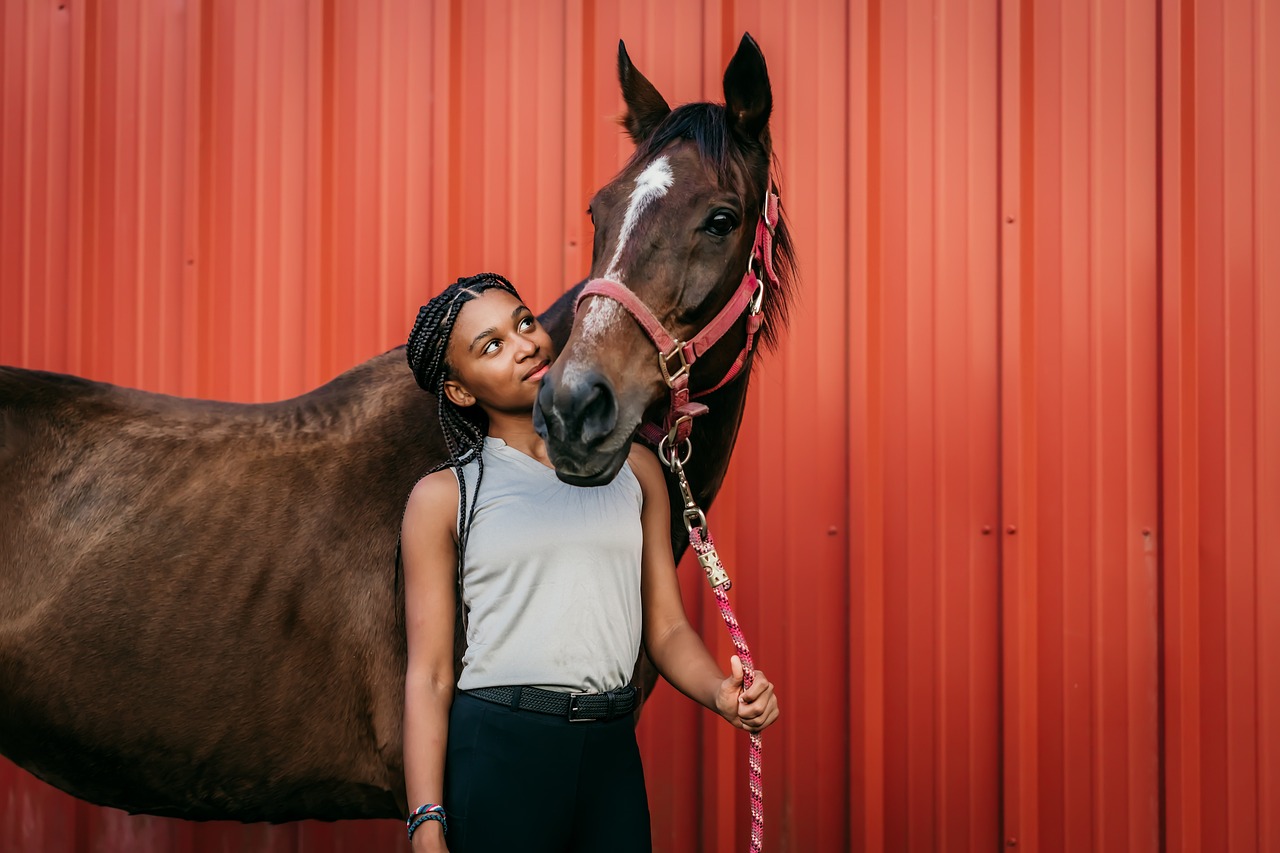
Relocating a horse to another boarding barn is a decision often driven by a combination of issues related to your horse's health and happiness, the quality of care provided, and your own riding goals and satisfaction.
Signs related to your horse's well-being
Your horse's behavior can be a major indicator that it is unhappy or unsafe.
- Deteriorating physical condition: Look for unexplained weight loss or gain, a dull coat, or visible injuries that happen repeatedly. While accidents can happen, a pattern of injuries could signal unsafe fencing, pasture dynamics, or management.
- Negative changes in demeanor: Your horse may become more anxious, skittish, or aggressive than it used to be. A constant look of worry or a change in temperament suggests something is making it uneasy.
- Reduced turnout: Horses need regular turnout for their mental and physical health. If your horse is getting less turnout than promised, or if the pastures are overcrowded, this can cause stress.
- Unhealthy environment: Unclean stalls or water troughs indicate poor stable management. Look for excessive manure buildup, algae in water buckets, or strong ammonia smells.
Problems with barn management and care
Issues with the barn's management can directly impact your horse's welfare and your peace of mind.
- Poor communication: A barn manager who is uncommunicative, ignores your requests, or belittles your concerns is a major red flag. This can put your horse at risk if an issue arises and you cannot get in touch with the management.
- Inadequate feeding program: Be concerned if the feed room is a mess, the quality of hay seems poor, or if the barn feeds a different, lower-quality feed to boarders' horses than their own.
- Refusing outside professionals: A barn that does not allow you to use your own vet or farrier should be approached with extreme caution, as it limits your control over your horse's health care.
- Dishonesty or failing to deliver services: If you are not getting services that you are paying for, such as scheduled training rides or lessons, this is dishonest and a clear sign to leave.
Changes in your own needs
Sometimes the problem isn't the barn, but a mismatch between what you want and what the barn offers.
- Stalled riding progress: If your lessons have become stagnant and you feel unfulfilled or unchallenged, it may be time to seek a trainer who can help you reach your new riding goals.
- Need for different amenities: Your needs might evolve, and you may find yourself wanting an indoor arena, more extensive trail access, or other amenities that your current barn lacks.
- Toxic barn atmosphere: Constant barn drama or a negative social environment can make your time at the barn stressful rather than enjoyable. You deserve to be in a place where you feel welcome and happy.
- Escalating costs: Your current barn may be raising their rates and become unaffordable for you. You may need to explore more economical options provided by other facilities such as self-care or moving to a location less costly.
What to do before deciding
The bottom line is to trust your gut. If something doesn't feel right, or if you or your horse are consistently unhappy, it is likely time to part ways and find a better environment.
You can find more interesting articles in our section on Recreation & Lifestyle. Take a look at our Curated Amazon Store for our selections in a wide variety of categories!
Are you interested in promoting your business or sharing content on EIE? Contact us at info@equineinfoexchange.com
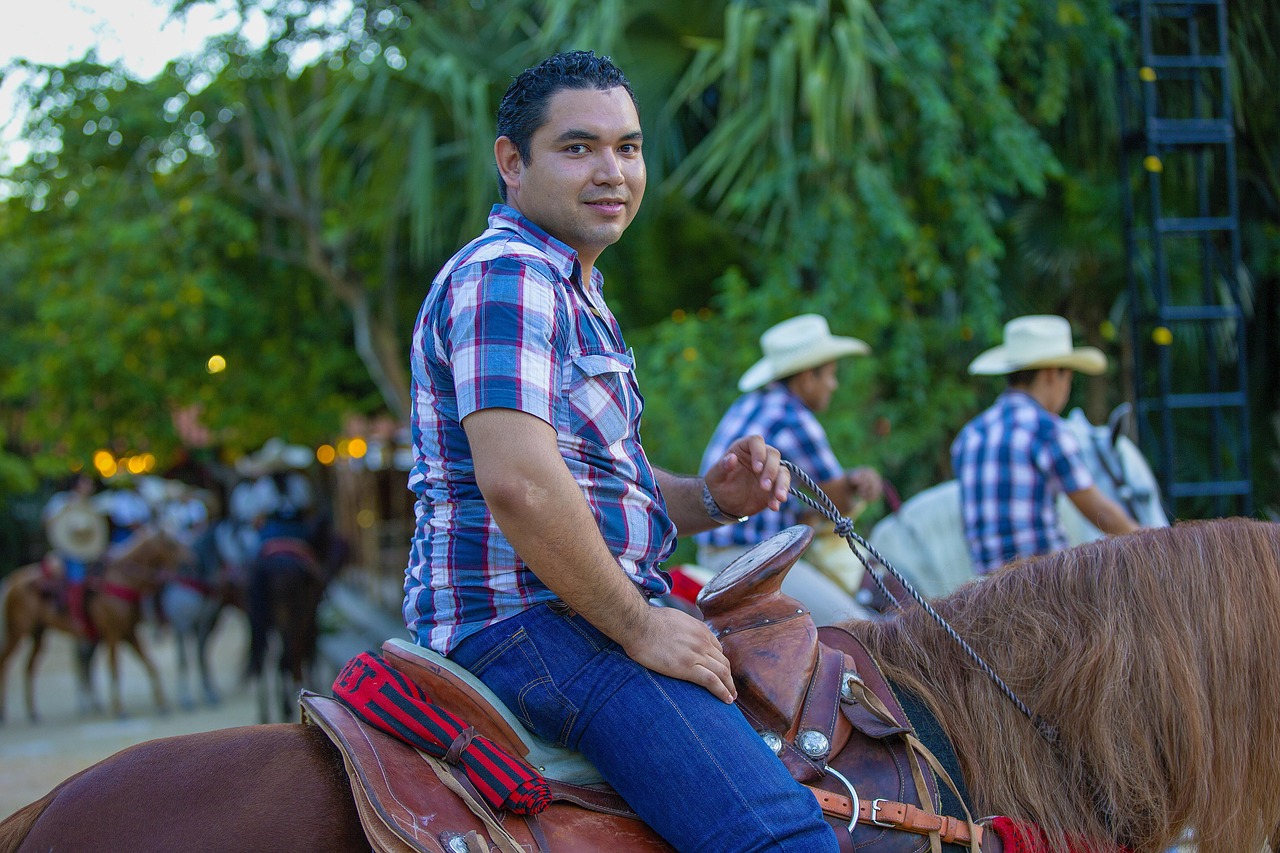
Essential Spanish words for a horse barn include terms for the horse itself, common care tasks, tack and equipment, and basic commands. Learning these can help with communication and ensure safety for both you and the horses.
The horses
- Caballo: Horse
- Yegua: Mare
- Semental: Stallion
- Potro/Potrillo: Colt or young male horse
- Potra/Potrilla: Filly or young female horse
- Burro: Donkey
In the barn (la cuadra)
- Establo/Cuadra: Barn/Stable
- Pasillo: Aisle
- Paja: Straw
- Heno: Hay
- Comida: Feed/Food
- Limpiar: To clean
- Cepillar: To brush or groom
- Limpiar la cuadra: To clean the stall
Horse care (Cuidado de caballos)
- Agua: Water
- Dar de comer: To feed
- Dar de beber: To give water
- Herradura: Horseshoe
- Herrador: Farrier
- Veterinario: Veterinarian
- Sano/Saludable: Sound/Healthy
- Lastimado: Injured
- Cuidado: Careful
- Jinete: Jockey
- Hipódromo: Racetrack
Tack (Equipo)
- Silla de montar: Saddle
- Bridón/Brida: Bridle
- Riendas: Reins
- Cincha: Cinch
- Cabezada: Halter/Head collar
- Estribo: Stirrup
- Látigo: Whip
Riding commands (Órdenes de monta)
- Montar a caballo: To ride a horse
- Paso: Walk
- Trote::Trot
- Galope: Gallop
- Concurso de saltos: Show jumping
- Arre: Go (Mexican Spanish)
- ¡Quieto!: Whoa!/Stop! (Can also be said as "Oooohhh")
Other useful phrases
- ¿Dónde está...?: Where is...?
- ¿Puede usted ayudarme, por favor?: Can you help me, please?
- Tengo un problema.: I have a problem.
- Estoy buscando: I’m looking for
- El caballo tiene hambre: The horse is hungry
- El caballo tiene sed: The hose is thirsty
- Por favor: Please
- Gracias: Thank you
What else should we include in this list? Let us know at info@equineinfoexchage.com.
You can find more informative articles in our section on Recreation & Lifestyle. Take a look at our Curated Amazon Store for our selections in a wide variety of categories!
Are you interested in promoting your business or sharing content on EIE? Contact us at info@equineinfoexchange.com
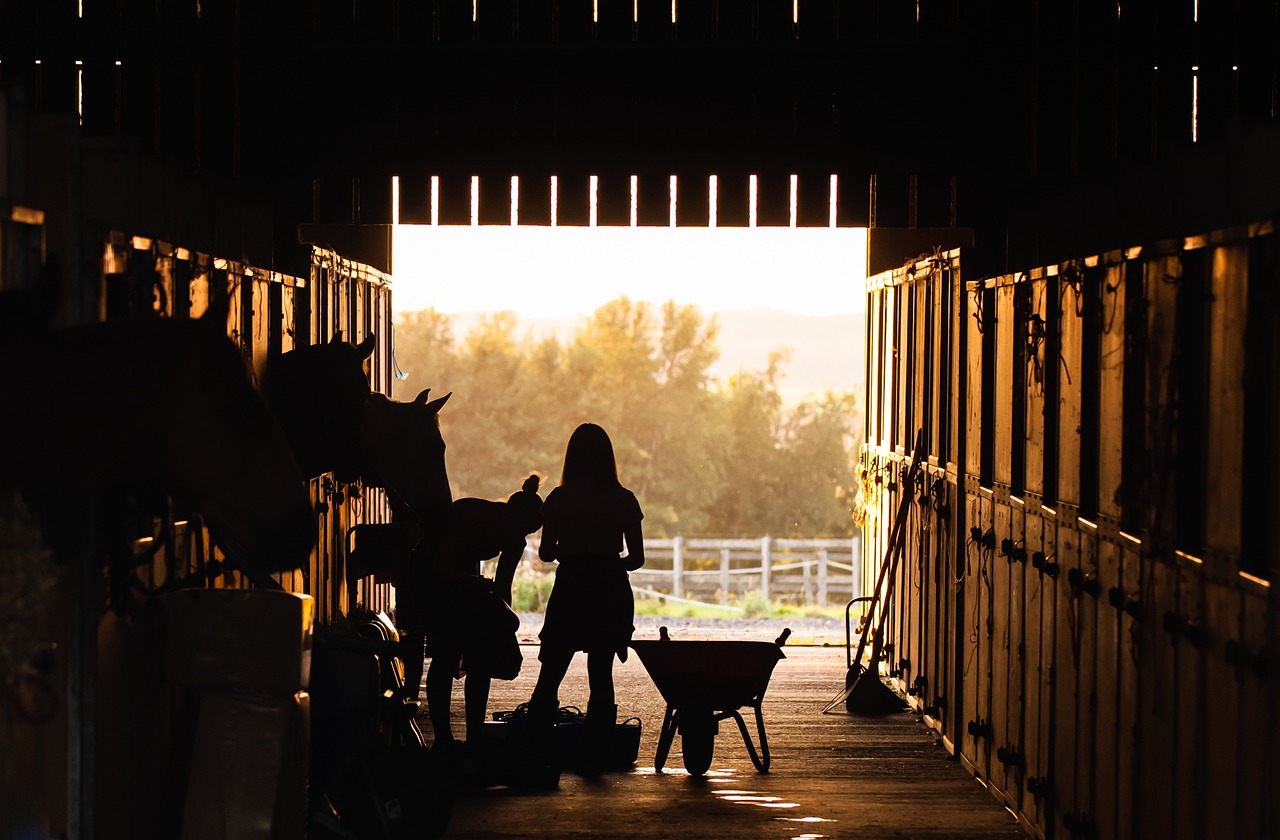
A horse barn is a great escape for many reasons, primarily because it offers a break from the complexities of modern life by engaging all the senses in a natural, mindful, and physically active way. The escape is both a retreat for the mind and a return to simpler, instinct-driven interactions.
The calming sensory experience
- Unique aromatherapy: The distinct smell of a horse barn—a mix of hay, wood shavings, horse feed, and manure—is a familiar and comforting scent for horse enthusiasts that can bring a feeling of peace and nostalgia.
- Soothing sounds: The simple, repetitive sounds of a barn, such as the soft munching of hay, the rhythmic swish of a tail, and gentle nickers, create a natural ambient noise that can reduce stress and encourage relaxation.
- Visual escape: The visual environment of a horse barn is a world apart from an office or city street. Seeing the quiet, steady presence of large animals, often set against a backdrop of open fields and nature, can be a restorative and grounding visual experience.
Mindfulness and focus
- Demands attention: Caring for and riding horses requires complete attention and focus. This forces you to be present in the moment and temporarily forget about the anxieties and distractions of daily life.
- Emotional regulation: Horses are highly attuned to human emotions. If a person is anxious or tense, the horse will often mirror that feeling. This feedback loop provides an opportunity to practice emotional regulation and see how one's state of mind affects another being.
- Sense of purpose: The responsibility of caring for a horse, including grooming, feeding, and mucking out stalls, provides a clear purpose and routine. This can be a very grounding and satisfying experience that counters the feeling of being overwhelmed.
Physical activity and endorphins
- Natural mood booster: The physical exercise involved in riding and barn chores stimulates the release of endorphins, which are the body's natural mood-lifters. This promotes a sense of euphoria and well-being.
- Stress reduction: Being active in a natural setting helps to lower the stress hormone, cortisol. The combination of fresh air, sunlight, and physical movement is a powerful antidote to daily pressures. Community and connection
- Shared interest: The equestrian community offers a social escape built around a shared love of horses. This fosters strong friendships and a sense of belonging among like-minded people.
- Unconditional acceptance: The relationship with a horse provides a unique form of unconditional acceptance. Horses don't judge or criticize, creating a safe space to be vulnerable and build trust, which can transfer to other relationships.
If possible, spend more time at the barn. Enjoy!
You can find more informative articles in our section on Recreation & Lifestyle. Take a look at our Curated Amazon Store for our selections in a wide variety of categories!
Are you interested in promoting your business or sharing content on EIE? Contact us at info@equineinfoexchange.com
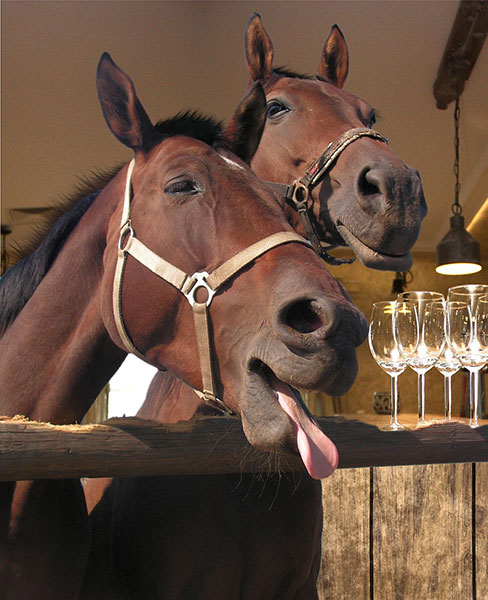
Most of us have been in situations in life, including the barn, where conflict is involved. It is unwelcome and uncomfortable. Minimizing drama at the barn requires setting clear personal boundaries, maintaining good barn etiquette, and communicating directly and calmly when issues arise. Staying focused on your own horse and your reasons for being at the barn helps you avoid getting drawn into conflicts. Here are some thoughts:
Focus on yourself and your horse
- Remember your "why." You are at the barn to ride, train, and bond with your horse. By focusing on your own equestrian journey, you will find less time and energy to engage in other people's conflicts.
- Avoid gossip. Resist the temptation to engage in rumors or gossip, which are the main fuel for barn drama. If someone tries to pull you into a discussion about another boarder, simply excuse yourself.
- Stay out of other people's business. If a conflict or situation doesn't involve you directly, do not seek it out or insert yourself into it. Let others work out their own issues.
- Focus on the bigger picture. In the grand scheme of things, most barn arguments are petty. Ask yourself if a minor issue is worth the stress and negativity it will cause.
Practice respectful barn etiquette
- Clean up after yourself. This is the most common-sense rule and one of the most frequent causes of friction. Clean up manure in the aisle and riding arena, hang up hoses, and put away shared equipment after each use.
- Pay your bills on time. Delinquent payments for board, feed, or vet services can quickly create problems with barn management. Be prompt and responsible with your finances.
- Don't borrow without permission. Taking other people's tack, supplies, or equipment is a major etiquette violation. If you need to borrow something, always ask first, and return it promptly and in good condition.
- Respect arena etiquette. Follow standard rules for riding in a shared space. Communicate your intentions, pass left-to-left, and be aware of riders who are taking lessons.
- Keep your politics out of it. Barns are a place for horses, not for political or societal debates. Keep conversations light and respectful to avoid creating unnecessary tension.
Handle conflicts directly and calmly
- Choose your battles wisely. Not every frustration or perceived offense needs to be addressed. Evaluate if the issue is a genuine problem or something you can let go.
- Address issues privately. If you need to confront someone, do so discreetly and away from others. This prevents the issue from becoming a public spectacle.
- Communicate with the person directly. If you have a problem with another boarder, talk to them first. Complaining to others only escalates the issue. For more serious or recurring problems, bring the concern to the barn manager.
- Use "I" statements. When discussing a problem, focus on how the situation affects you personally rather than attacking the other person. For example, say, "I can't put my tack away when there's a saddle in my spot," instead of "You always leave your saddle out".
- Stay calm and factual. Keep your emotions in check, as drama-loving people may feed off them. Stick to observable facts and avoid speculation or hearsay.
- Get a neutral party involved if needed. If a serious issue can't be resolved one-on-one, ask the barn manager or a neutral, trusted person to mediate the conversation.
Do you have more suggestions? Let us know at info@equineinfoexchange.com.
You can find more informative articles in our section on Recreation & Lifestyle. Take a look at our Curated Amazon Store for our selections in a wide variety of categories!
Are you interested in promoting your business or sharing content on EIE? Contact us at info@equineinfoexchange.com
- Dogs and Horses. Which are the Best Dog Breeds to Bring to the Barn?
- Equestrian Living in Spain: Where Heritage Meets Harmony
- Feel Like the Worst Rider at the Barn? Some Suggestions to Help!
- A Wonderful Weekend at Equine Affaire 2025 in West Springfield, MA
- Red Flags With Riding Partners!
- Learn More about Jane Heart and Her Jewelry - Perfect for the Horse Lover!
- Horses vs. Barn Cats. What to do When They Don’t Get Along
- Avoiding Political Conflict at the Barn. Is it Possible?
- What are the Best Ways to Justify the Cost of a Horse?
- Remembering Robert Redford and His Love of Horses