




Museums
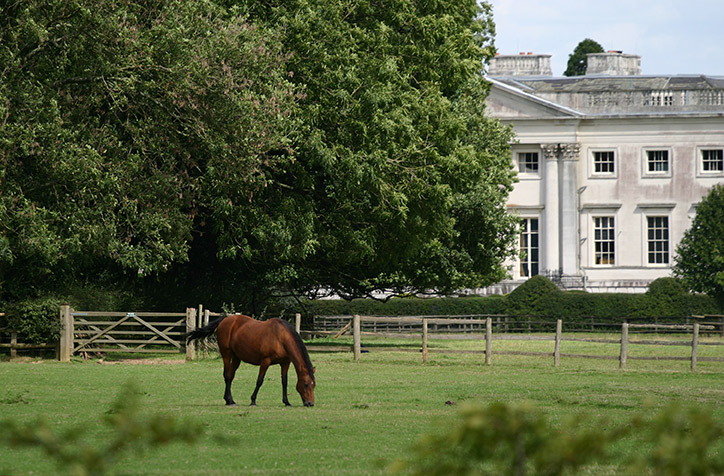
There are Museums dedicated to the Equine culture all over the world. We offer an exhaustive list of Western Museums, Rodeo Museums and Carriage Driving Museums throughout the United States and Internationally from Europe to Asia. Explore this fascinating world! Read more...

Paintings
Artists all over the United States and around the world specialize in a wide variety of styles and genres, portraying the Horse and the people who have them in their lives. There's also the highly unusual approach of giving the Horse a paint brush and letting him create their own art on canvas. Unbelievable but true. Many charities, rehoming and retirement organizations raise significant funds from Paintings devoted to horses.Read more...

Photography
There are people who specialize in different types of Equine photography from Portraiture to Rodeo, capturing live events. We offer an extensive resource of Photographers located all across the United States and around the world. The locations are only as a reference and photographers often travel extensively to perform their craft. Please contact the photographer directly regarding your specific location needs. Read more...
Sculpture
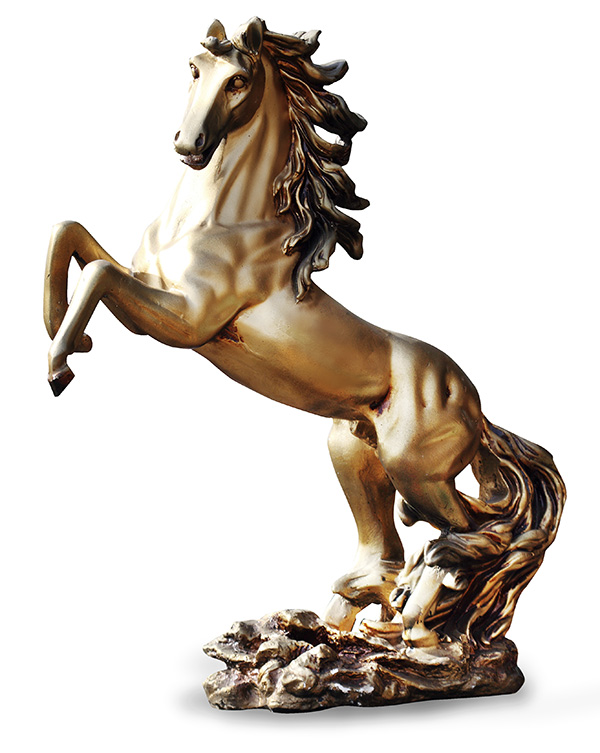
The ancient art of Sculpture is alive and thriving today. We offer a selection of Sculptors from the United States and Internationally. There are artists who use the expected mediums of bronze or marble, but there is also a fascinating trend to use drift wood and other natural mediums to capture the three dimensional form of the horse. Read more...
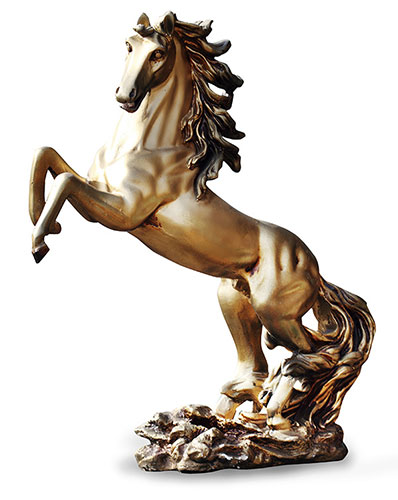
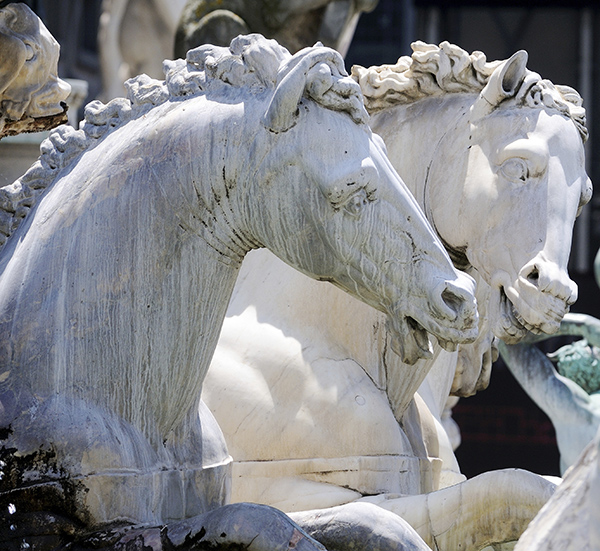
Horses are a popular subject for sculptors as they are beautiful and majestic creatures. Equine sculptures can be found in public spaces all over the world, from parks and gardens to museums and galleries.
Equine sculptures can be realistic or abstract. Realistic equine sculptures often depict horses in a natural pose, such as grazing or galloping. Abstract equine sculptures may be more stylized or geometric.
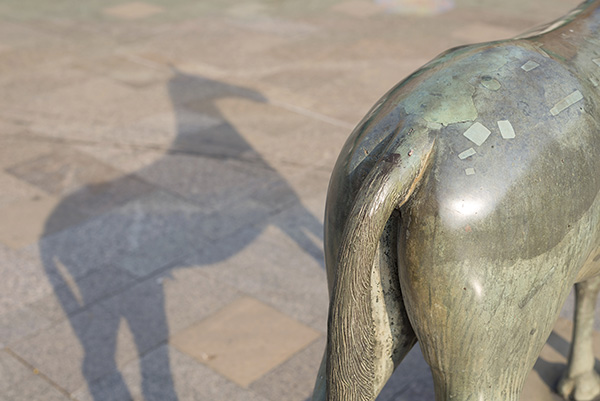
Equine sculptures can be made from a variety of materials, including stone, metal, wood, and clay. Stone and metal are popular choices for equine sculptures, as they are durable and can withstand the elements. Wood and clay are also popular choices, but they are more fragile and require more care.
Equine sculpture is a diverse and fascinating art form. It can be used to depict the beauty and power of horses, as well as to explore more complex themes such as movement, freedom, and the relationship between humans and animals.
Here are some additional characteristics of equine sculpture:
- Equine sculptures often capture the horse's movement and grace.
- Equine sculptures can be used to express a variety of emotions, such as joy, power, and beauty.
- Equine sculptures can be used to tell stories, such as the story of a horse and its rider or the story of a particular horse breed.
- Equine sculptures can be used to create a sense of place, such as a sculpture of a wild horse herd in the American West.
Equine sculpture is a beautiful and expressive art form that can be enjoyed by people of all ages.
Please note: The artwork shown here are representative images and not necessarily those of the artists listed. The locations are only as a reference since artists often travel for commissioned work. Please contact the artist directly regarding your specific location needs.
Sculpture - General Information
Sculpture - Education
UNITED STATES | International (click here)
Sculpture - United States
Sculpture - International

Read the original article on BBC.com
A massive art installation at Falkirk has been lit up for the first time.
The Kelpies, two towering statues of horse heads, will open to the public after a night-time launch event. The Kelpies each stand 30m tall and weigh 300 tonnes.
A lighting test has provided a sneak peek of the two 300 tonne, 30m (100ft) tall sculptures in their prime.
Thousands are expected to attend the launch of artist Andy Scott's creations, which will feature light, sound and flames in a pyrotechnic spectacle next week.
Read more: Kelpies Horse Head Sculptures lit up for sneak peek
Horse museums are important for a number of reasons:
- They preserve the history of horses and their relationship with humans. Horses have played an important role in human history for thousands of years. Horse museums help to preserve the story of this relationship and to educate the public about the importance of horses.
- They showcase the beauty and diversity of horses. Horses come in all shapes, sizes, and colors. Horse museums provide an opportunity for people to see and learn about a wide variety of horse breeds.
- They promote horse sports and activities. Horse museums often host events and programs that promote horse sports and activities, such as riding lessons, horse shows, and trail rides. This can help to get people involved in the horse world and to appreciate the many benefits of horse ownership and horsemanship.
- Horse museums can be a fun and educational experience for people of all ages. They are a great place to learn about horses, to see horses up close, and to have a good time.
Many horse museums are located around the world. Horse museums play an important role in preserving the history of horses, promoting horse sports and activities, and providing a fun and educational experience for people of all ages.
United States & International | Carriage Driving Museums | Rodeo Museums
Museums
Carriage Driving Museums - United States
Carriage Driving Museums - International
Rodeo Museums