





Health & Education
We all want the best care possible for our horses. The Heath & Education section covers both Learning Institutions, Organizations as well as many sources for equine assistance including Veterinarians and Farriers.
For those who want a to formally study horses, the Education section includes College Riding, Equine Studies, and Veterinary Schools. Learn about the wide variety of horses in the Horse Breeds section. Supplements and Treatments Therapy are also included in the section.
Everyone can learn from Fine Art and there are some specialty Museums that might surprise you.
Horses as a therapy partner enrich the lives of the disabled. These facilities are listed in our Therapeutic Riding section. To help children and young adults build confidence and grow emotionally, please see the resources available on the Youth Outreach page.
Looking for a place to keep your horse? You can find it in the Horse Boarding section. Traveling? Find a Shipping company or Horse Sitting service if your horse is staying home!
Want to stay up to date with the latest training clinics or professional conferences? Take a look at our Calendar of Events for Health & Education for the dates and locations of upcoming events.
Do we need to add more? Please use the useful feedback link and let us know!
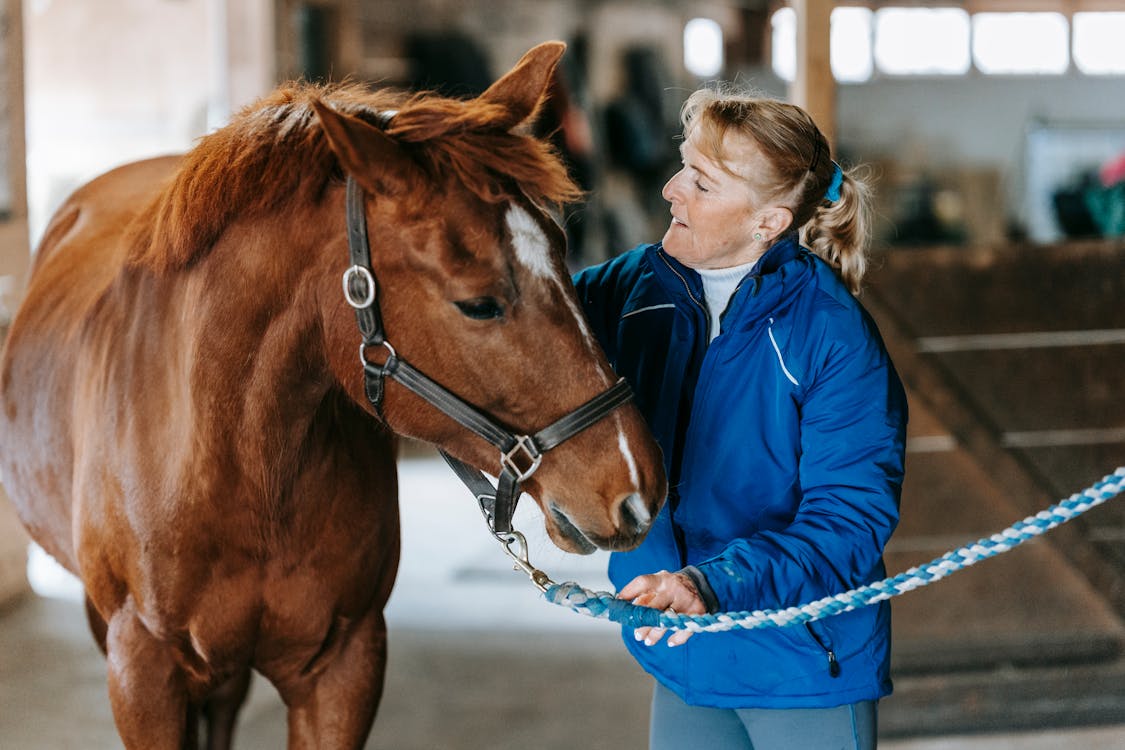
Caring for horses takes more than physical strength or knowledge of basic routines. It requires emotional energy, mental clarity, and the motivation to keep showing up every day. What happens when your body feels tired but your responsibilities never slow down?
Many riders and horse owners ignore their limits until exhaustion starts affecting everything. Mood changes, lack of sleep, and even medications can shift how you feel around the barn. Is it possible to stay motivated when your energy dips and life feels unpredictable?
The pressure to keep pushing often leads to burnout without warning. This article will explore simple ways to support both your motivation and your well-being.
Establish a Daily Routine That Works for You
Creating a routine that fits your energy level can ease daily stress. Not every rider feels sharp early in the morning or late evening. Pay attention to when your mind and body feel most alert.
Spruce notes that a solid daily routine uses peak hours for important tasks and low-energy times for simple ones. However, life can throw unexpected events your way, so it’s crucial to plan for them.
Scheduling flexible free time into your routine lets you shift tasks around without disrupting your flow. This flexibility ensures you never feel rushed, even with unplanned events like doctor’s appointments or social invites.
Schedule stable tasks during those times to get the most done efficiently. Horses thrive with structure, and so do their caretakers in the long run. Organize tasks into natural clusters to avoid constant mental switching throughout the day.
A loose but predictable plan can support both motivation and physical comfort. Leave room for unexpected shifts so you don’t feel boxed in or guilty. This flexible rhythm will help you sustain energy without constant burnout.
How does sleep quality influence daily productivity?
Restful sleep sharpens cognitive function and helps prevent injuries during physical barn tasks. When sleep is poor, motivation dips, and reactions become slower, increasing mistakes with horses. Prioritizing sleep means you’ll be more alert, consistent, and capable when managing both animals and routines.
Emotional fatigue often hides behind habits until it begins to affect everything. You might notice less excitement or increasing dread around normal barn tasks. Low mood or irritation is sometimes mistaken for laziness or disinterest.
Medical News Today states that emotional exhaustion often builds up gradually, leaving people feeling drained and overwhelmed. Over time, these feelings can negatively impact daily routines and relationships. Many people don't recognize the early signs of burnout, which can lead to long-term fatigue.
Pay attention to moments when you're just going through the motions alone. Emotional exhaustion drains motivation and can sneak in without much warning or notice. Make time to reflect on your mindset and track any concerning shifts.
Ask if you still feel connected to your horse or environment. Small changes in your enthusiasm often reflect deeper mental and emotional fatigue. Early recognition makes recovery and change easier before burnout fully develops.
How does decision-making ability relate to emotional fatigue?
Emotional exhaustion can cloud judgment and make once-easy decisions feel overwhelming and frustrating. This mental fog often signals that your emotional bandwidth is shrinking under pressure. Noticing decision fatigue helps you pause and reflect before the stress spirals into burnout.
Supporting Your Body Through Medication Side Effects
Verywell Mind mentions that medication side effects can sneak into your daily routine in frustrating ways. You might feel sudden shifts in mood, energy, or physical comfort without warning. These changes can interfere with your focus, especially during barn chores and riding.
It’s not always easy to link how you feel to what you’re taking. Still, your body might be working harder to adjust than you realize. Tracking symptoms across a few days can reveal useful patterns you didn’t expect. Make room in your routine for extra rest or gentler tasks on hard days.
TorHoerman Law emphasizes that hormonal medications like Depo-Provera may cause fatigue and mood changes. This birth control shot, given every three months, has been linked to serious side effects, including brain tumors. As awareness grows about the dangers of Depo-Provera, some users have taken legal action to address these risks.
The Depo-Provera lawsuit argues that manufacturers failed to properly warn consumers about the complications associated with the drug.
If you suspect your medication is causing negative effects, talk to your healthcare provider as soon as possible. Taking time to rest and adjust your routine supports your focus, energy, and connection with your horse.
How does stress management affect medication efficacy?
Chronic stress changes how your body processes medications and can reduce their intended effects. Stress hormones may interfere with absorption or amplify unwanted side effects over time. Managing stress improves both medication response and your ability to function consistently.
Don’t Underestimate the Power of Micro-Breaks
Short breaks between tasks help your mind and body reset without guilt. Take a few minutes to pause after grooming or feeding your horse. Step outside the barn and give yourself space to breathe and reset.
Healthline highlights that microbreaks, taken every 20 to 30 minutes, often last no longer than five minutes. Research shows these quick pauses can reduce muscle tension and improve mental clarity throughout the day. Studies suggest they may also lower stress and prevent burnout during repetitive or focused tasks.
Enjoy a quiet moment with your horse without any expectations or distractions. Listen to calming music or drink something warm before your next task. These pauses help lower stress and keep energy from crashing too quickly.
Micro-breaks are small but powerful tools that create more sustainable routines overall. They also allow time to appreciate the little joys of being around horses. Breaks are not laziness, they’re investments in long-term mental and physical wellness.
How do micro-breaks affect physical health during labor-intensive tasks?
Taking breaks helps reduce repetitive strain and supports circulation during long periods of physical activity. Micro-breaks prevent overuse injuries and help you return to tasks feeling physically restored. These pauses are essential for maintaining stamina and long-term physical capability.
Caring for horses takes more than strength, it requires tuning into your full well-being. Your physical, emotional, and mental health all play a role in staying motivated long-term. A daily routine that fits your lifestyle can reduce stress and build consistency. Watch for subtle signs of burnout before they grow into overwhelming fatigue.
Medications and stress can sneakily affect your mood and energy, so stay proactive. Even short breaks during your day can reset your mind and body. Self-awareness helps you adjust before things spiral out of balance. These small strategies aren’t luxuries, they’re key to living well with your horses.
You can find more interesting stories in our section on Health & Education.
by Kristin Pitzer
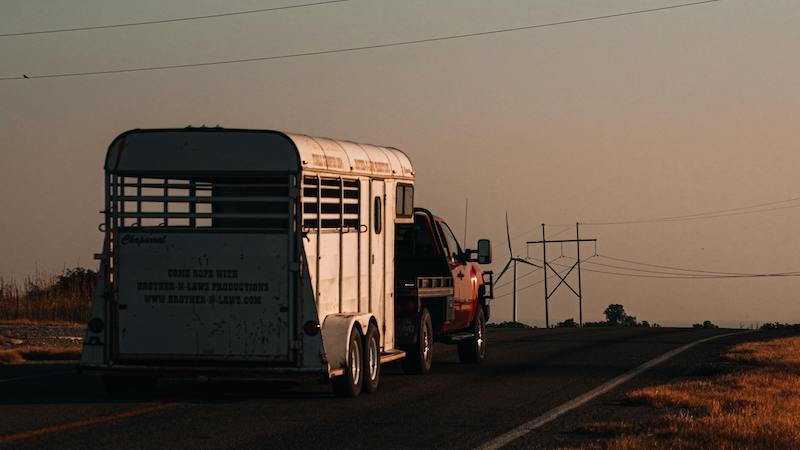
If you are in the horse business for very long, the chances are good that at some point, you will have to hire a horse shipper to move your horse. This may be to buy or sell a horse out of state; to complete a cross-country move; or to visit a veterinary specialist several hours away if you don’t own a trailer. Even for a short move, though, it’s not always wise to trust the first person you find that owns a truck and trailer — there are plenty of horror stories of horses getting injured, not getting picked up, or even disappearing.
Quarter Horse News spoke with Maegan Alexander, Dispatch Assistant at Equine Express, which has been in the horse transportation business since 1986, to get some tips on what to look for when hiring a horse shipper.
Do Your Research
As you start researching horse transportation companies, there are a few things you’ll want to look for. One of the most important things to know is if the company is licensed and insured. An easy way to find out — and avoid scams — is to ask a hauler directly for their federal U.S. Department of Transportation (DOT) number and then verify it online.

* Photo from Pexels
“If for some reason you do go with a company that is not licensed and insured, it is a huge risk,” Alexander said. “If the uninsured hauler gets pulled over by DOT, they can get shut down, and you will have to wait for a legal hauler to pick up your horse. Also, if there is an incident, the owner of the horse could be liable for using an uninsured hauler.”
Another thing you’ll want to look for is a hauler that has experience with horses. There are many companies out there that offer equine transportation, but the drivers moving the horses have no knowledge of horse care or behavior. If your horse colics or gets injured, they may not recognize the signs that something is wrong.
“When on the road, the driver needs to be able to tell if the horse is travelling comfortably, and if not, we need to find the nearest vet,” Alexander said. “When looking for drivers, we require everyone to have horse knowledge before joining our team. It is imperative to know what to look for when out on the road with horses.”
If you’re not sure where to start, the National Horse Carriers Association is a great source to find commercial haulers, as you have to meet certain requirements to be a member, Alexander said. Under the “Education” tab, you can find more information about legal versus illegal haulers, as well.
Have the Details Ready
Once you have a few companies in mind, you’ll want to start calling for quotes. Alexander recommended calling at least three weeks before you want the trip to take place, with the understanding that you might have to be flexible for less-traveled routes. Before you pick up the phone, though, you’ll need to have the details of your horse’s trip prepared. Make sure you know the starting and ending addresses, and have an idea of what kind of stall you’ll want your horse to ship in.
“A horse that has more experience and has travelled before could go into either our tie stall, a roughly 4 x 9 space where the horse is loosely cross-tied, or a box stall, an 8 x 9 space where the horse is turned loose,” Alexander said. “When we ship young, inexperienced horses or stallions, we will always ship in a box stall, and during a long trip, we recommend the box stall for every horse as it is double the size. The horse is not tied, so they do not have to stand in the same direction during the trip and can put their head down to drain their sinuses. Other companies may offer different options depending on their trailers, but all our trailers can offer the tie or box stall options.”
Keep in mind the time of year and the weather in the locations your horse will be traveling through.
“Different companies do offer certain routes, so that is always a great question to ask when inquiring for a quote,” Alexander said. “The time of year you ship can also be a big factor, especially depending on the route you are wanting to go. We try to go to Washington state almost weekly, but during the winter months, that is always a weather-dependent route.”
Know the Plan
When you find a company that seems to check most of your boxes, ask about their process for keeping you informed during your horse’s trip. A shipper that balks at giving updates is a red flag. Before the trip, the company should communicate when the horse will be picked up, where it will be laying over, and what day and time to expect it to arrive, barring any delays due to weather, traffic or issues loading and unloading the horse. They should also provide a way to contact the driver during the trip so you can keep tabs on where your horse is.
“We will give out the driver’s name and number before the trip starts so if you have any questions, you can reach the drivers directly at any time,” Alexander said. “Depending on the route, we will have a layover where the horse is taken off the trailer into their own stall, but we will let everyone know that in advance. We also try to send updates and pictures when arriving to the layovers. That way, the customers know we have arrived and the horse is doing well.”
Prepare Your Horse
Depending on the state you live in, there may be certain vaccines or paperwork required for your horse to travel. If your horse is traveling out of state, you’ll want to know those regulations for every state he or she will be passing through. For instance, a horse traveling from New Mexico to Florida will require a brand inspection, current negative coggins, and a current health certificate signed by a veterinarian that lists the horse’s temperature and an accession number matching the coggins.
Requirements can and do change, so it’s always best to check on each state’s regulations before shipping. Calling the animal health commission for the states your horse will be leaving and entering should provide the most up-to-date information.
“It’s best to reach out to your vet to see what they recommend for your horse depending on the area they are travelling to,” Alexander said. “We also recommend starting electrolytes two weeks before shipping. That way your horse is drinking well before transport. You can additionally practice loading and unloading with your horse before the hauler arrives so it is familiar beforehand.”
Send the Essentials
Because shipping can be taxing on the horse itself, Alexander recommended keeping as much of his routine the same as possible to reduce stress. This includes sending some of his current hay and grain with the shipper to avoid changing his diet. Most shippers will only feed hay while in transit to reduce the chance of colic but will give grain upon arriving at a layover.
“If a horse is needing a certain medication, we want to make sure we keep them on what their vet recommends,” Alexander said. “We do carry hay on the trailer if for some reason the horse is not sent with any grain or hay for the trip. We want to make sure the horses’ stomachs are moving and that the horses stay hydrated during the trip. We will stop every few hours to refill hay nets and water buckets, and make sure all the horses are traveling comfortably.”
A shipper that takes the time to check on horses and keeps them watered and fed can mean all the difference between your horse arriving healthy and content or showing up sick. By putting a little effort into finding the right shipper, you can save your horse and yourself unnecessary stress and get back to your normal routine quickly once he’s settled in.
This article originally appeared on American Quarter Horse News and is published here with permission.
You can find resources for horse transportation in our section on Shipping.There are more informative and entertaining articles in our section on Health & Education. While you're here be sure to check out our Curated Amazon Store.
- Tall Fescue Toxicity in Mares
- Healthy Joints for Years of Happy Trails
- $20,000 in student scholarships offered by Purina Animal Nutrition
- Saddle Fit Differences Between Men and Women
- Use of Standardized Exercise Tests in Equine Research
- Helping all horses live healthier lives
- 5 Tips For Keeping Aged Horses Fit To Compete
- Fruits are Fabulous, even for Insulin Resistant Horses!
- 12 Tips for Being a Good Member of Your Boarding Barn
- $10,000 Equestrian Merit Scholarship
- Non-GMO is NOT Necessarily Safe
- Consider Beet Pulp Instead of Oats
- Five Tips About Dummy Foals
- The Role of Nutrition in Managing Muscle Disorders
- Secrets of Successful Riding Instructors
- Horse Veterinarians in Alabama
- Horse Veterinarians in Alaska
- Horse Veterinarians in Arizona
- Horse Vet in Arkansas
- Horse Veterinarians in California