



Health & Education
We all want the best care possible for our horses. The Heath & Education section covers both Learning Institutions, Organizations as well as many sources for equine assistance including Veterinarians and Farriers.
For those who want a to formally study horses, the Education section includes College Riding, Equine Studies, and Veterinary Schools. Learn about the wide variety of horses in the Horse Breeds section. Supplements and Treatments Therapy are also included in the section.
Everyone can learn from Fine Art and there are some specialty Museums that might surprise you.
Horses as a therapy partner enrich the lives of the disabled. These facilities are listed in our Therapeutic Riding section. To help children and young adults build confidence and grow emotionally, please see the resources available on the Youth Outreach page.
Looking for a place to keep your horse? You can find it in the Horse Boarding section. Traveling? Find a Shipping company or Horse Sitting service if your horse is staying home!
Want to stay up to date with the latest training clinics or professional conferences? Take a look at our Calendar of Events for Health & Education for the dates and locations of upcoming events.
Do we need to add more? Please use the useful feedback link and let us know!
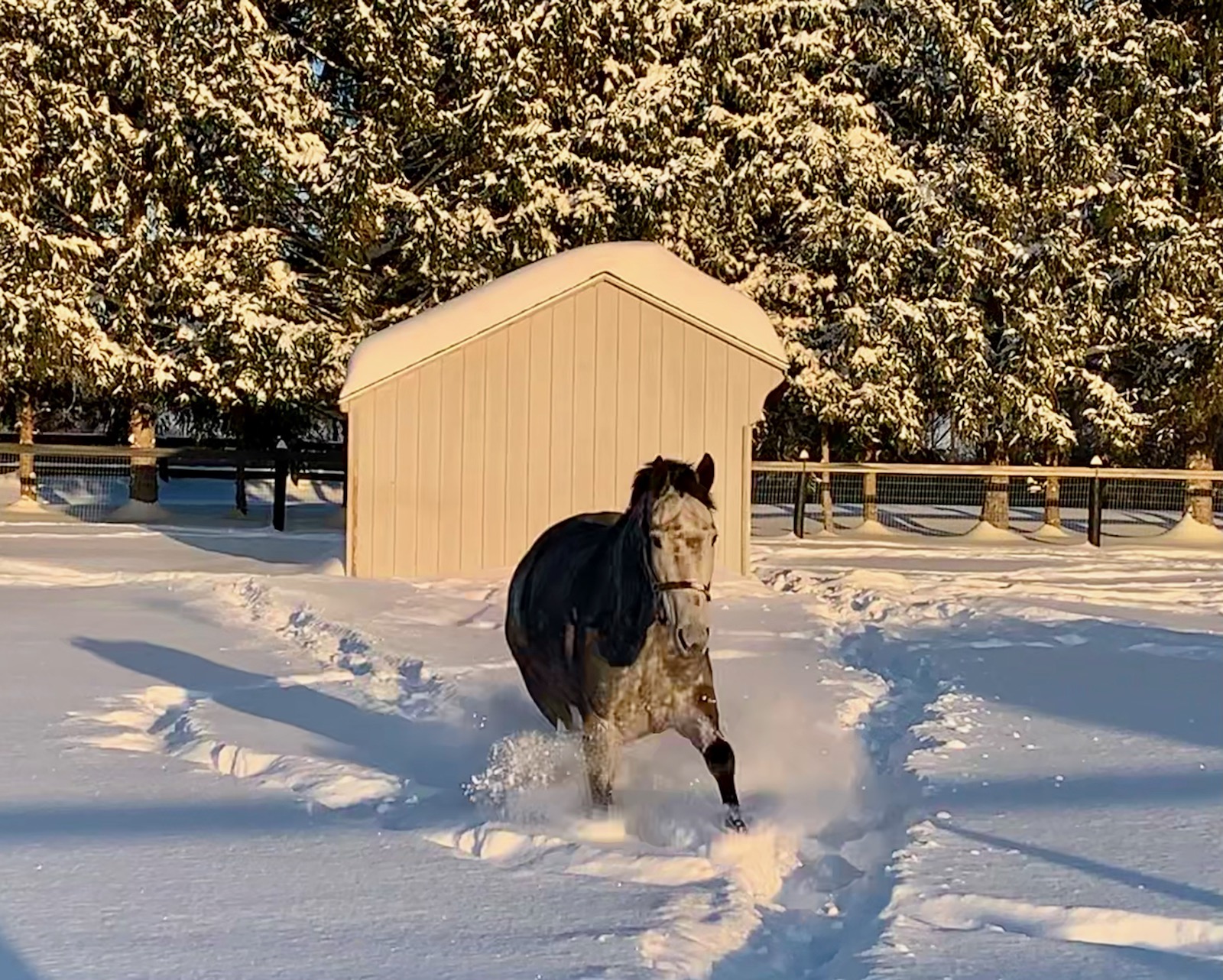
Help horses weather the winter with insight from equine nutritionists, veterinarian
While impressively stout yet entirely fragile, horses require a great level of care, especially as it relates to their nutrition over the winter.
“Many horse owners may not realize they actually need to feed horses differently in the wintertime than they do in the summertime,” Jyme Nichols, PhD, director of nutrition at Stride Animal Health, shared in an interview with Valley Vet Supply.
For a better understanding, continue learning with these three facts.
Fact 1: A Horse’s “Thermoneutral Zone” Directly Impacts Their Nutritional Needs.
“The first thing that I think is important for everybody to understand is a term that sounds a little bit intimidating — thermoneutral zone,” Dr. Nichols said. “This is basically the temperature outside in which a horse can maintain their own core body temperature without having to exert any extra effort to regulate either their heat loss or heat gain.”
Horses in the United States have an average thermoneutral zone between 40 and 80 degrees, which means horses near the low end of their thermoneutral zone will have to use extra energy (thus calories) to maintain heat.

by Eleanor M. Kellon, VMD
I am personally very involved with medical causes, but this is about a central issue for all laminitis cases – the trim. Medications, diet and supplements can’t make up for an inappropriate laminitis trim.
Whether the horse has true rotation – coffin bone (P3) out of alignment with second phalanx (P2) – or capsular rotation – hoof wall pushed away from P3 by swelling or laminar wedge – the goal of trimming is realignment of the bones within the hoof capsule.
A realigning trim also corrects for the elevated palmar angle (angle the bottom of the coffin bone makes with the ground) seen in horses with true rotation. Reduced growth at the toe compared to heel can also result in this problem in any laminitis horse.
It’s that simple, and the realigning trim is as important today as it was when I learned it 45 years ago. Some things don’t change. The physiologically correct alignment between coffin bone, hoof wall and ground is one of them.
- Our First Year with Dr Peter Morresey and Dr Bart Barber
- What’s New in Equine Healthcare with Dr Peter Morresey and Dr Bart Barber
- EHV-1 Research Study and Infection Control Tips
- Hoof Care in Winter
- Caring for Barn Cats?
- Pilates for Horses—It’s a Thing
- Fix the Horse That’s Behind the Bit
- Training the Equestrian Body and Mind with Yoga
- Here Comes The Sun ~ But It’s Not Good For Everyone
- New Rotavirus Revealed with Dr Emma Adam (43:34)
- Any Horse in Regular Work is a Performance Horse
- Lose Your Fear of Selenium
- UC Davis-led Study Investigates Distribution of the Warmblood Fragile Foal Syndrome Allele in Multiple Breeds
- Veterinarians are Considering Lecithin for Treating and Preventing Ulcers
- Tetanus: Your Horse’s Risk May Be Greater Than You Think
- Pitfalls of Fecal Checks for Parasites
- Cavallo Q&A: Horse Time for Healing
- The Last Half of Pregnancy
- Equestrian Diversity Project Spotlight: Ebony Horsewomen
- Equine Guelph at the University of Guelph in Canada presents "Journey of the Digestive Tract"