





Health & Education
We all want the best care possible for our horses. The Heath & Education section covers both Learning Institutions, Organizations as well as many sources for equine assistance including Veterinarians and Farriers.
For those who want a to formally study horses, the Education section includes College Riding, Equine Studies, and Veterinary Schools. Learn about the wide variety of horses in the Horse Breeds section. Supplements and Treatments Therapy are also included in the section.
Everyone can learn from Fine Art and there are some specialty Museums that might surprise you.
Horses as a therapy partner enrich the lives of the disabled. These facilities are listed in our Therapeutic Riding section. To help children and young adults build confidence and grow emotionally, please see the resources available on the Youth Outreach page.
Looking for a place to keep your horse? You can find it in the Horse Boarding section. Traveling? Find a Shipping company or Horse Sitting service if your horse is staying home!
Want to stay up to date with the latest training clinics or professional conferences? Take a look at our Calendar of Events for Health & Education for the dates and locations of upcoming events.
Do we need to add more? Please use the useful feedback link and let us know!
By Kentucky Equine Research Staff
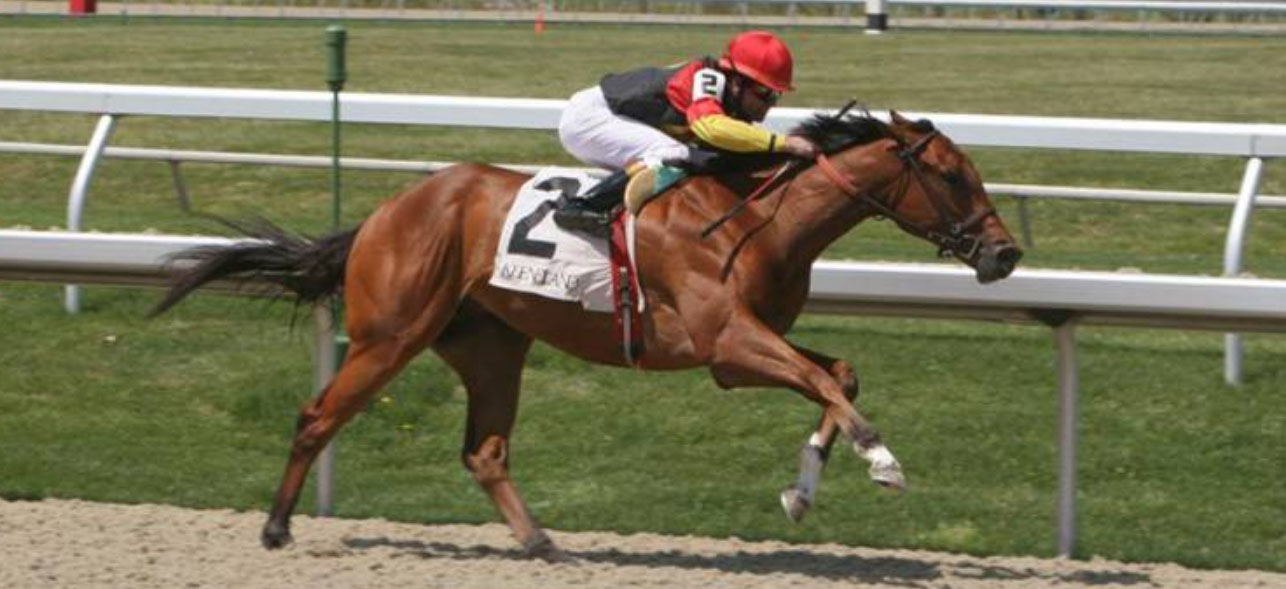
The intestinal microbiome has drawn a great deal of attention over the past decade. Scientists have learned how powerful this collection of bacteria, fungi, and protozoa is and the far-reaching effects the microbiome has on a horse’s health. One of the latest studies examining the intestinal microbiome found that microbiome diversity early in a foal’s life may predict future racing performance.*
In the study, 52 Thoroughbred foals were followed from birth until three years of age. Spontaneously voided fecal samples from each foal were collected at nine different time points during the foal’s first year of life. Those samples underwent standard microbiome analysis based on 16S rRNA gene sequencing to identify the types and numbers of bacteria present in those samples, and the diversity was calculated.
“Diversity refers to the number of individual bacteria in each of the bacterial species found in the intestinal microbiome. Higher diversity is linked to improved health, particularly in terms of the immune system. Because over 70% of the body’s immune system is in the digestive tract, nutrition can influence the immune system by affecting the diversity of the bacteria in the gut,” explained Kathleen Crandell, Ph.D., a nutritionist for Kentucky Equine Research.
In humans, lack of microbiome diversity is linked to several chronic diseases, such as insulin resistance, inflammation, diabetes, digestive disorders, and allergies. Some of these conditions also occur in horses, prompting further research on the intestinal microbiome in both species.
As expected, diversity was low in fecal samples collected from very young foals. But that diversity increased until 60 days of age.
In terms of athletic performance, official rating, average prize money earnings, and average race placings were the three selected outcome measures. A significant, positive association between fecal microbial diversity at 28 days of age and all three racing outcomes was identified. Further, a higher relative abundance of Anaeroplasmataceae on day 28 was associated with higher official rating, and a higher relative abundance of Bacillaceae on day 28 was associated with higher race placings.
Because it is an observational study, it is important to appreciate these results do not indicate a causal relationship. For example, having a higher abundance of Anaeroplasmataceae in young foals (one month old) does not cause better racing outcomes. This study does, however, indicate that microbial diversity may predict athletic performance later in life.
“This is the first study to look at the relationship between early-life gut bacterial communities and subsequent athletic performance. This study is relevant because maximizing athletic potential is a key to successful racehorse breeding, which is an industry that creates jobs and has a wide-reaching economic impact on communities,” noted Crandell.
This new data, together with the existing body of knowledge of the microbiome in foals and horses, highlights the importance of a stable and diverse microbiome for maintaining health.
This research identified a “critical window” when the composition of the microbial community in the digestive tract can affect the immunity and future health of an individual.
“We need to look more closely at early-life interventions designed to enhance the health and future of athletic performance of horses. While we are still not able to select for the growth of certain bacteria that might confer specific health or performance benefits, we are learning more about diet modulation and manipulation to influence overall health of the digestive tract,” said Crandell.
She did note, however, that the first month of a foal’s life is when they are highly dependent on mare’s milk.
“Paying close attention to the mare’s diet and environment might have the most influence on building diversity in the foal’s microbiome and improving its overall health and long-term performance,” Crandell suggested.
Promoting microbiome diversity in the mare can be achieved by:
- Feeding a diet rich in structural carbohydrates such as pasture, high-quality hay, and alternative fiber sources like beet pulp;
- Feeding minimal amounts of starch-rich concentrates;
- Avoiding abrupt changes in the diet;
- Minimizing stress, such as frequent herd-dynamic changes and transportation;
- Avoiding excessive physical exertion;
- Avoiding anthelmintics in the first month postpartum; and
- Being conservative when using antibiotics whenever possible.
Read more: Study: Intestinal Microbiome of Foals May Predict Future Racing Success
Presented by Dr. Lisa Fortier, Cornell University College of Veterinary Medicine, and recorded on Tuesday, October 15th via Zoom.
Intra-articular injections in horses are commonly performed with a multitude of justifications including the perceived source of pain, stiffness, poor performance, routine maintenance, radiographic changes, effusion, or post-operative care. There are numerous products available for injection including corticosteroids, autologous biologics, and polyacrylamide hydrogels, with new products constantly emerging for consideration. To determine which product to use when, it is important to have a current understanding of osteoarthritis (OA).
It has been known for decades that osteoarthritis is an inflammatory disease and therefore mediated by the immune system. OA is not an auto-immune disease like rheumatic arthritis, but there is clear involvement of immune in the initiation and perpetuation of OA. Inflammation in the joint follows that classic cascade of injury/inflammation with primarily neutrophil involvement, followed by cell proliferation and matrix remodeling during tissue formation with an influx of macrophages and monocytes, and finally cell differentiation with tissue remodeling with a predominance of T cells. All of this happens at the level of the synovial membrane where the inflammatory cells originate and infiltrate the joint fluid. Cartilage is an innocent bystander.
Therefore, medications/products for intra-articular use should target immune cells in the joint capsule or synovial fluid. Finally, all phases of inflammation are important; the goal is not to eliminate inflammation, but to ensure that the joint passes through each phase and doesn’t linger in any one phase which would lead to prolonged inflammation, tissue disorganization and scarring with loss of function. Categories of joint medications will be discussed from the lens of OA in an inflammatory disease of the joint capsule.
Read more: Intra-articular Approaches to Osteoarthritis - Cornell Equine Seminar (Oct 2024)
- What to Do When Your Horse Ride Goes Wrong
- ICONS, Renegades, Mavericks, & Forces of Nature - Photographer Drew Doggett’s Latest Series
- A Grand National Melee - An Excerpt from the Novel The Horseman’s Tale by Tom Equels
- Minimally Invasive Surgery in the Abdomen - Cornell Equine Seminar
- Get to know...Mette Moe Mannseth, Master Trainer (11:26) - Horses of Iceland
- Autumnal Horse Care: Six Considerations
- Uncovering Secrets | Seen Through Horses Campaign (2:56)
- We love the American Quarter Horse! Why is it such a popular breed?
- The Power of Horses | Breaking Barriers (5:26)
- Rood & Riddle Stallside Podcast - Leading the Way: Dr Katie Garrett on the Impact of the American Association of Equine Practitioners (28:42)
- Painful Horse Hoof - Satisfying Therapeutic Horseshoeing
- Finding Her Voice - Story of Transformation Seen Through Horses (3:02)
- Haynet Research in Horses: Something to Chew On
- Which Off-Track Thoroughbreds Are Most Desirable?
- Marguerite Henry and the Movies - book excerpt "Dear Readers and Riders: The Beloved Books, Faithful Fans, and Hidden Private Life of Marguerite Henry"
- Danger Zones with Julie Goodnight and Christy Landwehr
- 32 and You: An Owner's Guide to Genetic Tests in Horses (55:02) - Cornell Equine Seminar
- Poor Horse Behavior? It Could Be Pain Related
- The Power of Horses | Supporting Mental Health in Rural Communities (7:58)
- Tackling Thrush in Horses